
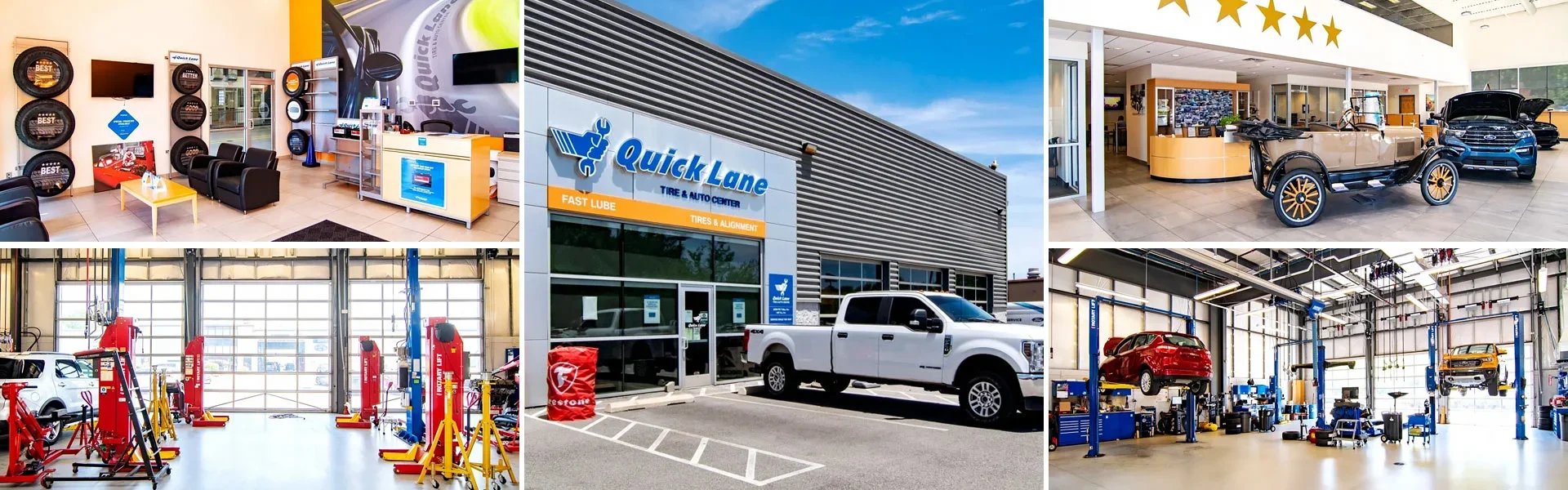
Drivers near Smyrna can get certified Ford service at Winner Ford, located just a short drive south down Route 1 at 591 S Dupont Hwy in Dover, DE 19901. Our factory-authorized service center provides complete vehicle maintenance and repair using certified Ford technicians, state-of-the-art diagnostic equipment, and genuine OEM parts engineered specifically for your vehicle.
Finding a dependable service facility is essential for keeping your truck, SUV, or sedan running reliably for years to come. For vehicle owners commuting daily along Route 1, having a dedicated service center nearby ensures your routine maintenance fits smoothly into your busy routine. Our facility is fully equipped to handle every aspect of ownership care, ranging from routine filter changes and tire care to complex electrical diagnosis and drivetrain overhaul.
When you bring your vehicle to our dealership, every appointment begins with a comprehensive multi-point vehicle inspection. Our factory-trained technicians examine critical wear components, including brake pad thickness, battery health, fluid condition, and tire tread depth. This proactive approach helps identify minor wear items before they turn into costly mechanical repairs, giving you complete confidence on every drive.
To plan your next visit or speak directly with a service coordinator, you can easily find our Dover service location online or give our team a quick call at (302) 734-0444. We are dedicated to delivering prompt, courteous maintenance that protects your vehicle investment over the long haul.
Table of Contents
- What Factory-Authorized Services Are Available at Winner Ford Near Smyrna?
- How Does Heavy Towing Impact Ford F-150 Maintenance Needs?
- Which Ford Explorer Trims Feature Intelligent All-Wheel Drive for Local Road Conditions?
- How Do Ford Bronco Maintenance Demands Compare to the Jeep Wrangler?
- What Maintenance Considerations and Delaware State Incentives Apply to Ford EVs?
- Frequently Asked Service Questions from Ford Owners
What Factory-Authorized Services Are Available at Winner Ford Near Smyrna?
Winner Ford of Dover provides a comprehensive menu of factory-authorized maintenance and repair services, including synthetic oil changes, brake system overhauls, tire rotation and balance, battery replacement, transmission fluid service, and heating and cooling repairs. Every service is performed by factory-certified technicians using specialized tools and original equipment components designed for your exact model.
Maintaining your vehicle according to the manufacturer schedule protects critical powertrain components and helps preserve overall resale value. Suburban driving patterns around Smyrna—characterized by frequent short trips, traffic signals, and seasonal temperature swings—can place unique demands on vehicle fluids and wearable parts. Our team understands these operational conditions and tailors maintenance recommendations to keep your car operating at peak efficiency.
Our maintenance capabilities extend across the entire Ford lineup, from gas-powered trucks and hybrid crossovers to fully electric vehicles. Key routine maintenance and repair services available at our service center include:
- Synthetic motor oil and filter changes tailored to EcoBoost turbocharged engines
- Comprehensive brake inspections, rotor resurfacing, and pad replacements using original brake components
- Four-wheel tire rotation, precision balancing, and wheel alignment using digital alignment racks
- Battery load testing, terminal cleaning, and replacement with high-capacity Motorcraft batteries
- Automatic transmission fluid exchanges and differential lubricant service for four-wheel-drive systems
- Multi-point safety inspections, engine air filter replacements, and cabin air filter installation
To ensure maximum performance and precise fitment, our service bays utilize genuine original equipment manufacturer parts for every repair. Using factory components ensures exact tolerances and protects any existing factory warranty coverage. Vehicle owners can conveniently access our online service scheduling portal to reserve an appointment time, or connect with our genuine OEM parts center to source authentic replacement parts and accessories for DIY maintenance.
How Does Heavy Towing Impact Ford F-150 Maintenance Needs?
Heavy towing subjects the Ford F-150 drivetrain, braking system, and rear suspension to elevated thermal and mechanical stress, requiring shortened fluid replacement intervals and accelerated wear inspections for critical chassis components. Models equipped with the 3.5L EcoBoost V6 engine and the Max Trailer Tow Package can pull up to 13,500 pounds of conventional trailer weight, making proactive maintenance vital for component longevity.
When pulling heavy loads like campers, livestock trailers, or boat trailers, engine oil and transmission fluid operate at significantly higher temperatures. Extreme heat breaks down lubricant viscosity and reduces thermal protection faster than standard highway driving. Truck owners who tow regularly should inspect engine oil condition more frequently and follow the severe-duty maintenance schedule, which recommends changing engine oil every 5,000 miles rather than the standard 7,500-to-10,000-mile window.
Transmission and differential care are equally crucial for trucks engaged in regular heavy hauling. The SelectShift 10-speed automatic transmission relies on clean, high-viscosity fluid to maintain smooth gear changes and manage torque transfer under heavy load. Service advisors at our shop routinely recommend inspecting rear differential fluid and transfer case fluid every 30,000 miles for trucks that tow near their maximum rating, ensuring gears remain thoroughly lubricated under stress.
Braking components also experience accelerated wear when stopping heavy combined vehicle weights. Even with trailer brake controllers installed, front and rear brake pads absorb intense friction and heat on highway decelerations. Regular brake pad inspections ensure sufficient friction material remains, while brake fluid flushes every two years remove moisture that can lower the boiling point of the hydraulic braking system.
Which Ford Explorer Trims Feature Intelligent All-Wheel Drive for Local Road Conditions?
Intelligent All-Wheel Drive is available across all Ford Explorer trim levels—including the Active entry trim—and comes standard on performance-oriented and off-road models such as the Explorer ST, Tremor, and Platinum trims. This advanced drivetrain continuously monitors road traction and driver inputs to seamlessly transfer torque between the front and rear axles.
Mid-Atlantic weather bring a wide mix of driving conditions, from heavy summer rainstorms to icy winter road surfaces. The system evaluates wheel speed, accelerator position, and steering wheel angle up to 100 times per second. Under normal highway driving on dry pavement, the system routes power primarily to the rear wheels to maximize fuel efficiency. When slip is detected, it instantly reallocates power to the wheels with the best grip to maintain stability.
Maintaining an all-wheel-drive crossover requires specific care for the transfer case and rear drive unit. Unlike two-wheel-drive vehicles, all-wheel-drive systems require periodic fluid changes to prevent clutch pack degradation inside the transfer unit. Mechanics at our center inspect all-wheel-drive unit fluid condition during major mileage intervals to prevent premature component wear.
Tire management is another critical maintenance factor for all-wheel-drive Explorer models. Because the system relies on uniform wheel rotation speeds to calculate traction, all four tires must maintain matching tread depths and overall diameters. Uneven tire wear can trigger premature drivetrain binding or cause traction control warning lights to illuminate. Performing regular tire rotations every 5,000 to 7,500 miles ensures balanced wear across all four positions, extending tire life and protecting the drive transfer system.
How Do Ford Bronco Maintenance Demands Compare to the Jeep Wrangler?
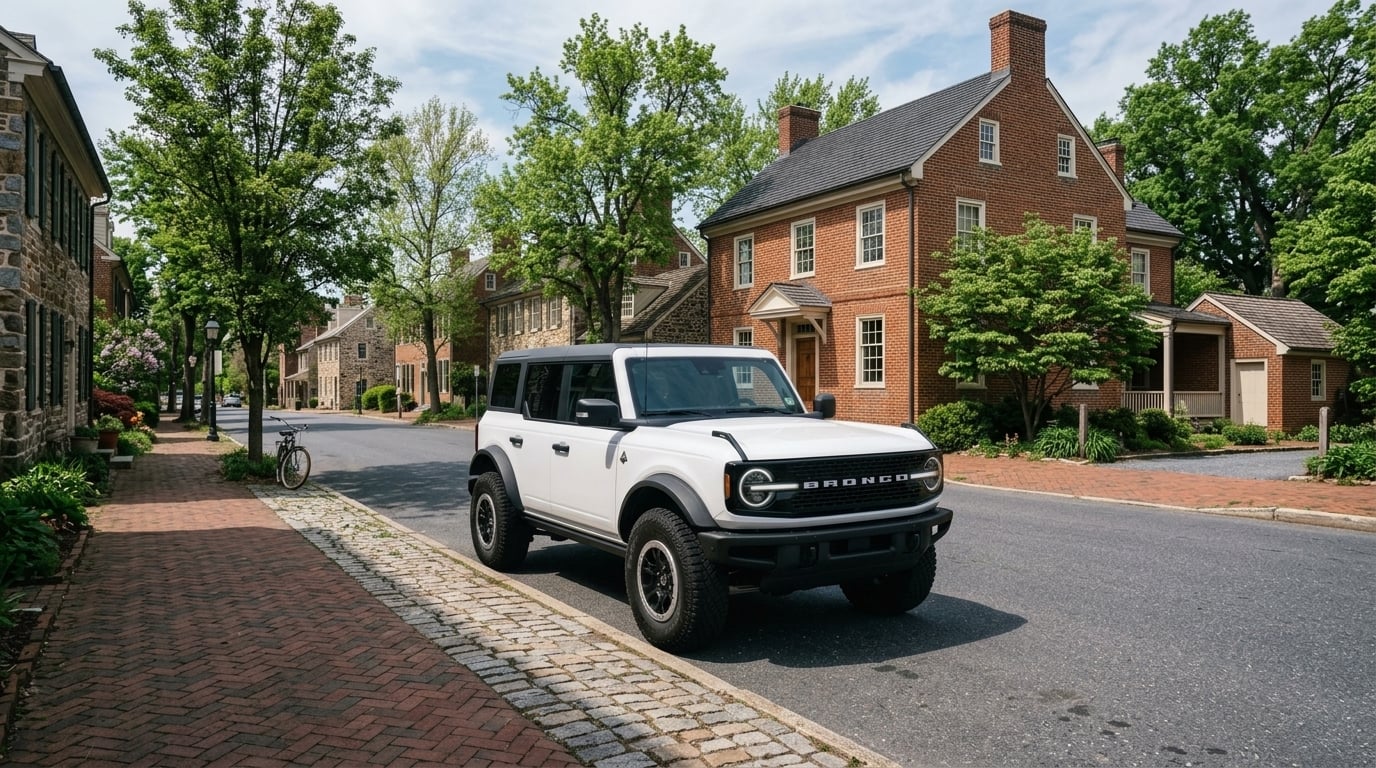
The Ford Bronco utilizes an independent front suspension that reduces long-term steering wear and maintains wheel alignment stability better than the solid front axle design found on the Jeep Wrangler. While both vehicles are engineered for serious off-road capability, their mechanical designs create distinct long-term maintenance requirements for owners.
Solid front axle designs on traditional off-roaders like the Wrangler rely on multiple steering links, track bars, and solid ball joints that are susceptible to front-end wobble and rapid alignment drift after continuous highway or trail use. In contrast, the Bronco model's front suspension setup provides superior highway tracking, reduced tire cupping, and significantly lower frequency of front-end alignment adjustments during regular commuting.
Under the hood, maintenance priorities reflect modern engine design. The Bronco relies on turbocharged EcoBoost powertrains—such as the standard 1.3L or available 2.7L engines—which require strict adherence to synthetic oil change schedules and periodic spark plug service to maintain peak boost pressure and efficiency.
Off-road enthusiasts who frequently traverse muddy trails or shallow water crossings should pay special attention to undercarriage care. Essential routine maintenance items for trail-driven SUVs include:
- Greasing suspension chassis points and inspecting CV axle boots for tears
- Flushing front and rear differential fluids after driving through deep water or mud
- Cleaning debris from skid plates and underbody heat shields to prevent corrosion
- Inspecting removable roof section rubber seals and treating them with silicone lubricant to maintain weather protection
What Maintenance Considerations and Delaware State Incentives Apply to Ford EVs?
Ford battery-electric vehicles like the Mustang Mach-E and F-150 Lightning require significantly fewer mechanical maintenance tasks than internal combustion vehicles, eliminating oil changes, spark plug replacements, and exhaust system repairs entirely. Additionally, qualifying Delaware residents purchasing a new Ford battery-electric vehicle can apply for state rebates of up to $2,500 through the Clean Transportation Incentive Program.
While electric vehicles reduce routine fluid service, specialized care remains critical to ensure high-voltage battery health, thermal system longevity, and safe braking performance. Electric vehicles feature advanced liquid cooling loops that maintain optimal battery temperature during fast charging and extreme weather. The thermal management coolant requires periodic pressure testing and fluid flushes at factory-specified intervals to prevent thermal degradation.
Tire maintenance is particularly important for electric vehicle owners. Due to immediate electric motor torque and heavy battery pack weights, EV tires experience faster tread wear than standard gas vehicles. Maintaining proper inflation pressures and scheduling regular tire rotations every 5,000 miles is essential for achieving maximum tire lifespan and optimizing driving range.
Braking systems on electric vehicles also benefit from unique maintenance considerations. Regenerative braking handles the majority of daily slowing duties, which dramatically extends brake pad lifespan. However, because mechanical brakes are used less frequently, brake calipers and slide pins can develop surface corrosion or binding in humid coastal climates. Annual brake system inspections and slide pin lubrication ensure emergency stopping power remains fully functional.
Note on federal tax credits: The historical federal IRC §30D Clean Vehicle Credit ended for new vehicle purchases acquired after September 30, 2025 under Public Law 119-21. Buyers who executed a binding written purchase contract and placed a deposit on or before September 30, 2025 may still claim the federal credit when taking delivery; consult your tax professional and our dealership staff to verify eligibility documentation.
Frequently Asked Service Questions from Ford Owners
Q: How often should I schedule an oil change for my EcoBoost engine?
Vehicles equipped with EcoBoost turbocharged engines should receive synthetic oil changes every 5,000 to 7,500 miles under normal driving conditions. Turbocharged engines generate higher internal operating temperatures and pressures than naturally aspirated engines, causing oil to break down faster. If you frequently haul heavy loads, idle for extended periods, or make frequent short trips around town, scheduling oil service closer to the 5,000-mile mark protects turbocharger bearings and internal engine components from thermal breakdown and sludge accumulation.
Q: What is included in a multi-point service inspection?
A multi-point service inspection provides a comprehensive evaluation of your vehicle’s key mechanical and safety systems. Our factory-trained technicians inspect brake pad thickness, brake rotor condition, tire tread depth and air pressure, battery health and terminal connections, engine belts, radiator hoses, and all vital vehicle fluids. We also check steering components, suspension shocks, exhaust heat shields, and wiper blades. You receive a color-coded report detailing items in good condition, components requiring future attention, and urgent repair needs.
Q: Why is my tire pressure warning light coming on during seasonal temperature changes?
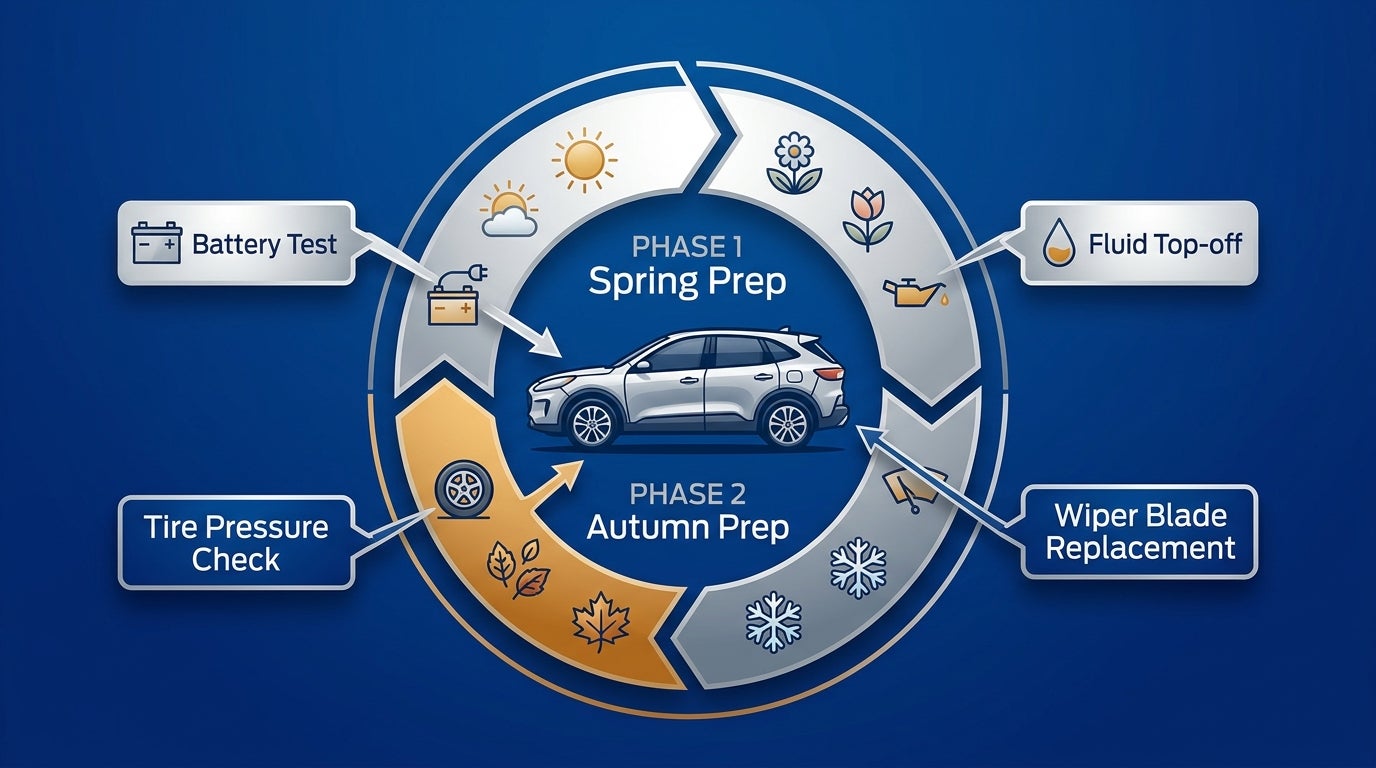
Tire pressure drops naturally as ambient air temperatures decrease during seasonal transitions. For every 10-degree drop in outside temperature, tire inflation pressure decreases by approximately one pound per square inch. When autumn or winter temperatures fall, your tire pressure monitoring system may detect low pressure and illuminate the dashboard warning light. Checking and adjusting tire pressures to the recommended PSI listed on your driver-side door jamb resolves seasonal pressure warnings and ensures proper fuel economy and tread wear.
Q: What causes brake pedal pulsation or squealing noises when stopping?
Brake squealing is typically caused by worn friction pads reaching their built-in metallic wear indicator tabs, signaling that pad replacement is required. High-pitched noises can also stem from surface glaze or dust buildup on brake rotors. Brake pedal pulsation or vibration usually indicates uneven rotor thickness or surface warping caused by extreme heat buildup during heavy braking. Having your braking system inspected promptly restores smooth, quiet stopping performance and prevents rotor damage.
Q: How long does a vehicle battery typically last in the mid-Atlantic climate?
Automotive batteries in our regional climate generally last between three and five years. Summer heat accelerates internal battery grid corrosion and fluid evaporation, while cold winter temperatures increase the cranking power required to start the engine. If your battery is more than three years old, experiencing slow engine cranks, or showing corrosion around the terminals, having our service center perform a digital load test can determine remaining battery capacity before unexpected battery failure occurs.
To experience expert automotive care tailored to your vehicle's exact engineering specifications, visit our service team today. You can easily get directions to our service center address or call us directly at (302) 734-0444 to schedule your next maintenance appointment with Winner Ford.