

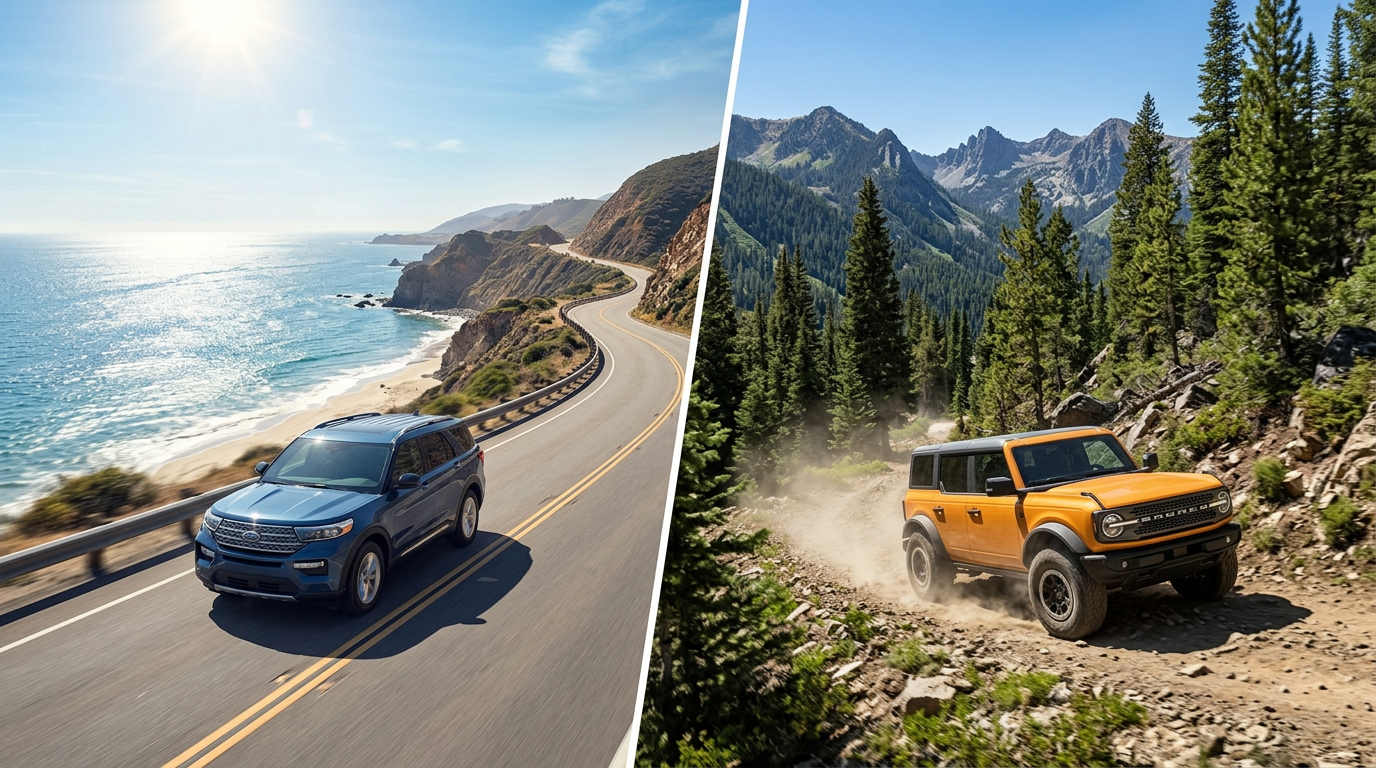
Planning a summer getaway introduces distinct mechanical demands on your vehicle, especially when transitioning from flat coastal highways to steep elevation changes. High seasonal temperatures accelerate wear on critical components like your battery, tires, and cooling systems. When a vehicle is packed with luggage and family members, the engine and transmission work significantly harder, making proactive maintenance essential to prevent roadside emergencies.
Our team at Winner Ford focuses on keeping your vehicle operating at peak manufacturer standards. Whether you are packing a 2026 Ford Explorer ST-Line for a family trip or prepping a 2026 Ford Bronco Sport for rugged trailheads, addressing key service areas beforehand ensures your vehicle handles the stress of long-distance driving. For drivers beginning their journey in Dover, having our certified technicians perform a comprehensive check-up prevents minor wear from developing into a major breakdown.
Before hitting the highway, we recommend verifying that all primary systems are fully operational. Our service team is available to help you coordinate your pre-trip maintenance checklist. If you need to confirm our location or want to speak directly with a service advisor, you can easily get directions to our Dover service center or give our team a quick call to discuss your travel plans.
Table of Contents
- How to Inspect Your Ford Cooling System for Hot Weather and Steep Grades
- When to Schedule a Professional Pre-Trip Inspection Before Summer Vacation
- Minimum Brake Pad Thickness and Braking Performance for Safe Mountain Descents
- When to Avoid DIY Repairs and Trust Certified Technicians Before Your Trip
- Common Questions About Summer Road Trip Maintenance for Your Ford
- Drive Confidently with Ford’s Advanced Safety Features
How to Inspect Your Ford Cooling System for Hot Weather and Steep Grades
Engine overheating represents the most frequent cause of summer roadside breakdowns. When climbing steep mountain passes or idling in heavy beach traffic, your engine generates extreme internal heat that must be dissipated efficiently. To safeguard your engine, you should regularly inspect the coolant reservoir under the hood to ensure the fluid level rests securely between the minimum and maximum indicator lines.
Modern vehicles require highly specific fluid formulations to prevent internal corrosion and boiling. For example, the 2026 Ford Explorer relies on Motorcraft Yellow Prediluted Antifreeze/Coolant, which is engineered to meet strict Ford specification WSS-M97B57-A2. Utilizing generic, non-approved coolant mixtures can lead to premature water pump failure, radiator scaling, and chemical reactions that clog the cooling passages. A standard cooling system service involves verifying both the fluid level and the concentration of the mixture, which should maintain a precise 50/50 ratio of approved antifreeze to distilled water.
Beyond the fluid itself, a physical inspection of the hardware is necessary to ensure system integrity:
- Inspect all upper and lower radiator hoses for signs of bulging, softening, cracking, or leaks.
- Examine the radiator cap to verify the rubber gasket is sealing properly and holding the correct pressure.
- Look for white, powdery residue around hose clamps and radiator seams, which indicates slow, heat-activated coolant leaks.
- Verify that the electric radiator cooling fan engages correctly when the engine reaches operating temperature.
For long-term durability, Ford recommends performing the first complete engine coolant flush at 100,000 miles or 6 years, followed by subsequent flushes every 50,000 miles or 3 years. If you are preparing for a demanding drive through high elevations, you can read more about seasonal fluid care guidelines on our blog, where we regularly share technical advice for local owners.
When to Schedule a Professional Pre-Trip Inspection Before Summer Vacation
Timing your service appointment correctly is key to a stress-free departure. Many drivers make the mistake of seeking maintenance the day before a long trip, which leaves zero margin for error if a technician discovers an issue requiring replacement parts. To ensure your vacation plans remain on schedule, you should arrange a professional multi-point inspection one to two weeks prior to your departure date.
A professional inspection covers critical safety and performance systems that are difficult to evaluate fully at home. Technicians will place the vehicle on a lift to inspect the suspension components, check steering linkage play, and examine the undercarriage for fluid leaks. They will also test your battery's cold cranking amps and charge capacity, as summer heat degrades internal battery plates faster than winter cold, often causing sudden failures in batteries older than three years.
Our factory-trained technicians use specialized diagnostic equipment to read pending trouble codes that may not have triggered a dashboard warning light yet. When you bring your vehicle to our service center, we perform a thorough assessment of your tires, brakes, belts, and hoses. To secure a convenient time slot before the summer travel rush, you can easily schedule service online through our convenient booking portal.
Minimum Brake Pad Thickness and Braking Performance for Safe Mountain Descents
Descending steep mountain grades places immense thermal stress on your braking system. As you apply the brakes to control your descent speed, friction converts kinetic energy into intense heat, which can lead to brake fade or vapor lock if your components are worn. To maintain reliable stopping power, your brake pads must have adequate friction material to isolate and dissipate this heat safely.
The absolute minimum safe brake pad thickness for daily driving is 3 millimeters (roughly 1/8 inch), but starting a demanding road trip with pads at this limit is highly discouraged. For mountain travel, industry standards recommend replacing brake pads if they have worn down to 4 millimeters or less. Thinner pads cannot absorb or transfer heat efficiently, which rapidly accelerates wear on the brake rotors and can cause warping, steering wheel vibration, and significantly extended stopping distances.
When preparing your vehicle for high-altitude descents, a complete brake inspection should also verify the condition of the brake fluid. Brake fluid is hygroscopic, meaning it absorbs moisture from the air over time. Under heavy braking conditions on a descent, moisture trapped in old brake fluid can boil, creating highly compressible steam pockets that result in a spongy brake pedal or a complete loss of braking pressure. Ensuring your fluid is clean, clear, and filled to the correct level is just as critical as having thick brake pads.
When to Avoid DIY Repairs and Trust Certified Technicians Before Your Trip
While basic tasks like checking engine oil or replacing windshield wiper blades are manageable for many owners, complex safety and performance systems demand professional expertise. Attempting to diagnose or repair advanced components without the proper diagnostic tools and training can lead to incomplete repairs, voided warranties, or unexpected mechanical failures when you are far from home. Systems such as computerized climate control, electronic brake distribution, and engine timing should always be handled by specialists.
Using the correct replacement parts is equally critical to maintaining your vehicle's reliability and safety. Generic aftermarket components often lack the precise fit and material quality of original equipment manufacturer parts. If your vehicle requires a new belt, hose, water pump, or thermostat before your trip, our parts department supplies genuine Motorcraft and Ford parts designed specifically for your model's powertrain configuration.
Our certified technicians understand the exact tolerances and calibration procedures required for your vehicle. Relying on professional service ensures that every component is installed to factory specifications, backed by a manufacturer warranty, and thoroughly tested before you load up your family for the highway.
Common Questions About Summer Road Trip Maintenance for Your Ford
Q: What is the recommended tire pressure for a fully loaded Ford vehicle?
A: You should always inflate your tires to the exact PSI listed on the tire certification label located on the driver-side door jamb, rather than the maximum pressure stamped on the tire sidewall. For families traveling from Milford, checking tire pressure when the tires are cold is crucial, as driving raises tire temperatures and artificially increases pressure by roughly 1 PSI for every 10-degree increase in outdoor temperature.
Q: How do I know if my Ford’s battery is failing before a long trip?
A: Common warning signs of a weak battery include a slow engine crank when starting, flickering or dimming headlights when idling, and corrosion buildup around the battery terminals. If your battery is more than three years old, we recommend having our technicians perform a professional load test to verify its charge capacity before you depart.
Q: Can I use generic coolant in my Ford truck or SUV?
A: No, you should avoid generic coolant formulas because they often lack the specific chemical inhibitors required to protect Ford cooling systems. Using non-approved fluids can lead to chemical scaling, water pump damage, and localized overheating, so you should always use the recommended Motorcraft coolant spec.
Q: How does carrying a heavy load affect my vehicle's braking distance?
A: Added cargo and passenger weight increase the total kinetic energy of your vehicle, which naturally requires more physical effort and distance to bring to a complete stop. This added mass makes having healthy brake pads and clean brake fluid even more critical when descending steep mountain roads.
Q: What should I do if my vehicle starts to overheat on a steep highway climb?
A: If the temperature gauge climbs toward the red zone, immediately turn off the air conditioning, turn on your heater to its maximum setting to help pull heat away from the engine, and pull over safely. Do not attempt to open the radiator cap while the engine is hot, as the system is under high pressure and can cause severe burns; instead, contact Ford Roadside Assistance: 800-241-3673 for professional towing support.
If you have additional questions or want to speak with our service advisors directly, please visit our team or call us at your convenience. For turn-by-turn navigation to our facility, you can view our service center location on the map.
Drive Confidently with Ford’s Advanced Safety Features
Taking the time to complete your summer maintenance checklist ensures your vehicle remains dependable, efficient, and safe through every mile of your upcoming trip. From checking your cooling system to verifying your brake pad thickness, proactive care prevents unexpected delays and expensive repairs. Our factory-trained technicians at Winner Ford are committed to providing the precise care your vehicle deserves.
For residents in Smyrna balancing busy commuter schedules and weekend travel preparation, our service department offers convenient scheduling and efficient maintenance solutions. We use genuine parts and specialized equipment to perform every service, ensuring your vehicle is fully prepared for both beach highways and mountain climbs.
Do not wait until the week of your departure to verify your vehicle's road readiness. Let our professional team handle your maintenance needs so you can focus entirely on enjoying your summer vacation. We invite you to schedule your pre-trip multi-point inspection online today or visit our service center in Dover for personalized assistance and expert care.
Where Can Drivers Get Certified Ford Service Near Smyrna?
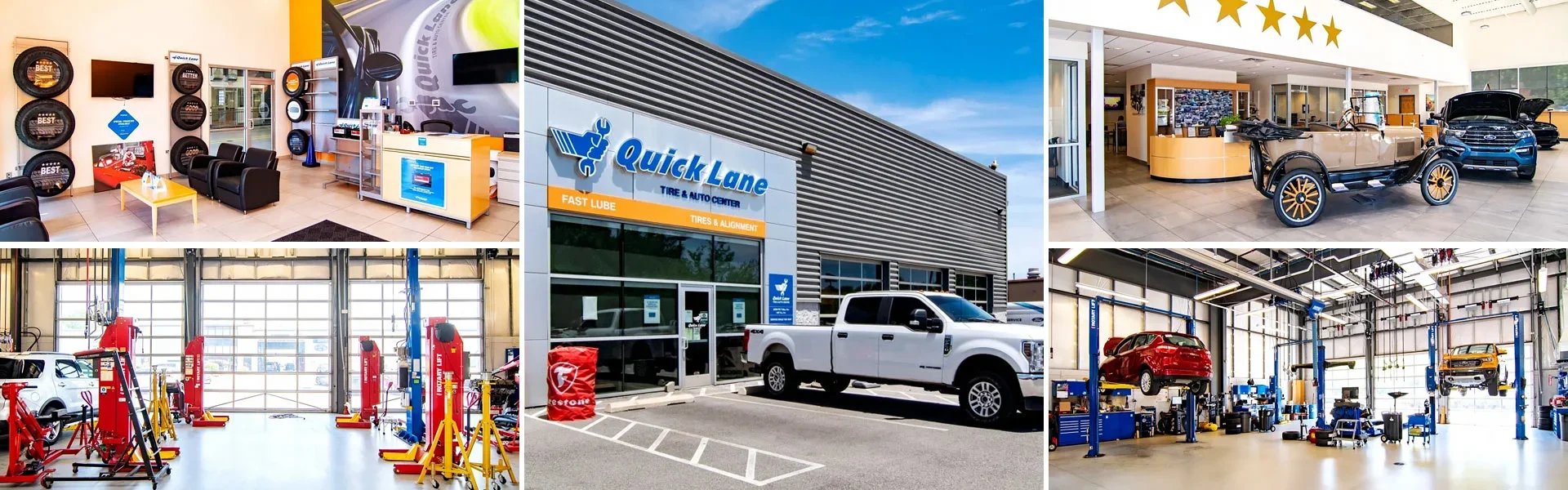
Drivers near Smyrna can get certified Ford service at Winner Ford, located just a short drive south down Route 1 at 591 S Dupont Hwy in Dover, DE 19901. Our factory-authorized service center provides complete vehicle maintenance and repair using certified Ford technicians, state-of-the-art diagnostic equipment, and genuine OEM parts engineered specifically for your vehicle. Finding a dependable service facility is essential for keeping your truck, SUV, or sedan running reliably for years to come. For vehicle owners commuting daily along Route 1, having a dedicated service center nearby ensures your routine maintenance fits smoothly into your busy routine. Our facility is fully equipped to handle every aspect of ownership care, ranging from routine filter changes and tire care to complex electrical diagnosis and drivetrain overhaul. When you bring your vehicle to our dealership, every appointment begins with a comprehensive multi-point vehicle inspection. Our factory-trained technicians examine critical wear components, including brake pad thickness, battery health, fluid condition, and tire tread depth. This proactive approach helps identify minor wear items before they turn into costly mechanical repairs, giving you complete confidence on every drive. To plan your next visit or speak directly with a service coordinator, you can easily find our Dover service location online or give our team a quick call at (302) 734-0444. We are dedicated to delivering prompt, courteous maintenance that protects your vehicle investment over the long haul. Table of Contents What Factory-Authorized Services Are Available at Winner Ford Near Smyrna? How Does Heavy Towing Impact Ford F-150 Maintenance Needs? Which Ford Explorer Trims Feature Intelligent All-Wheel Drive for Local Road Conditions? How Do Ford Bronco Maintenance Demands Compare to the Jeep Wrangler? What Maintenance Considerations and Delaware State Incentives Apply to Ford EVs? Frequently Asked Service Questions from Ford Owners What Factory-Authorized Services Are Available at Winner Ford Near Smyrna? Winner Ford of Dover provides a comprehensive menu of factory-authorized maintenance and repair services, including synthetic oil changes, brake system overhauls, tire rotation and balance, battery replacement, transmission fluid service, and heating and cooling repairs. Every service is performed by factory-certified technicians using specialized tools and original equipment components designed for your exact model. Maintaining your vehicle according to the manufacturer schedule protects critical powertrain components and helps preserve overall resale value. Suburban driving patterns around Smyrna—characterized by frequent short trips, traffic signals, and seasonal temperature swings—can place unique demands on vehicle fluids and wearable parts. Our team understands these operational conditions and tailors maintenance recommendations to keep your car operating at peak efficiency. Our maintenance capabilities extend across the entire Ford lineup, from gas-powered trucks and hybrid crossovers to fully electric vehicles. Key routine maintenance and repair services available at our service center include: Synthetic motor oil and filter changes tailored to EcoBoost turbocharged engines Comprehensive brake inspections, rotor resurfacing, and pad replacements using original brake components Four-wheel tire rotation, precision balancing, and wheel alignment using digital alignment racks Battery load testing, terminal cleaning, and replacement with high-capacity Motorcraft batteries Automatic transmission fluid exchanges and differential lubricant service for four-wheel-drive systems Multi-point safety inspections, engine air filter replacements, and cabin air filter installation To ensure maximum performance and precise fitment, our service bays utilize genuine original equipment manufacturer parts for every repair. Using factory components ensures exact tolerances and protects any existing factory warranty coverage. Vehicle owners can conveniently access our online service scheduling portal to reserve an appointment time, or connect with our genuine OEM parts center to source authentic replacement parts and accessories for DIY maintenance. How Does Heavy Towing Impact Ford F-150 Maintenance Needs? Heavy towing subjects the Ford F-150 drivetrain, braking system, and rear suspension to elevated thermal and mechanical stress, requiring shortened fluid replacement intervals and accelerated wear inspections for critical chassis components. Models equipped with the 3.5L EcoBoost V6 engine and the Max Trailer Tow Package can pull up to 13,500 pounds of conventional trailer weight, making proactive maintenance vital for component longevity. When pulling heavy loads like campers, livestock trailers, or boat trailers, engine oil and transmission fluid operate at significantly higher temperatures. Extreme heat breaks down lubricant viscosity and reduces thermal protection faster than standard highway driving. Truck owners who tow regularly should inspect engine oil condition more frequently and follow the severe-duty maintenance schedule, which recommends changing engine oil every 5,000 miles rather than the standard 7,500-to-10,000-mile window. Transmission and differential care are equally crucial for trucks engaged in regular heavy hauling. The SelectShift 10-speed automatic transmission relies on clean, high-viscosity fluid to maintain smooth gear changes and manage torque transfer under heavy load. Service advisors at our shop routinely recommend inspecting rear differential fluid and transfer case fluid every 30,000 miles for trucks that tow near their maximum rating, ensuring gears remain thoroughly lubricated under stress. Braking components also experience accelerated wear when stopping heavy combined vehicle weights. Even with trailer brake controllers installed, front and rear brake pads absorb intense friction and heat on highway decelerations. Regular brake pad inspections ensure sufficient friction material remains, while brake fluid flushes every two years remove moisture that can lower the boiling point of the hydraulic braking system. Which Ford Explorer Trims Feature Intelligent All-Wheel Drive for Local Road Conditions? Intelligent All-Wheel Drive is available across all Ford Explorer trim levels—including the Active entry trim—and comes standard on performance-oriented and off-road models such as the Explorer ST, Tremor, and Platinum trims. This advanced drivetrain continuously monitors road traction and driver inputs to seamlessly transfer torque between the front and rear axles. Mid-Atlantic weather bring a wide mix of driving conditions, from heavy summer rainstorms to icy winter road surfaces. The system evaluates wheel speed, accelerator position, and steering wheel angle up to 100 times per second. Under normal highway driving on dry pavement, the system routes power primarily to the rear wheels to maximize fuel efficiency. When slip is detected, it instantly reallocates power to the wheels with the best grip to maintain stability. Maintaining an all-wheel-drive crossover requires specific care for the transfer case and rear drive unit. Unlike two-wheel-drive vehicles, all-wheel-drive systems require periodic fluid changes to prevent clutch pack degradation inside the transfer unit. Mechanics at our center inspect all-wheel-drive unit fluid condition during major mileage intervals to prevent premature component wear. Tire management is another critical maintenance factor for all-wheel-drive Explorer models. Because the system relies on uniform wheel rotation speeds to calculate traction, all four tires must maintain matching tread depths and overall diameters. Uneven tire wear can trigger premature drivetrain binding or cause traction control warning lights to illuminate. Performing regular tire rotations every 5,000 to 7,500 miles ensures balanced wear across all four positions, extending tire life and protecting the drive transfer system. How Do Ford Bronco Maintenance Demands Compare to the Jeep Wrangler? The Ford Bronco utilizes an independent front suspension that reduces long-term steering wear and maintains wheel alignment stability better than the solid front axle design found on the Jeep Wrangler. While both vehicles are engineered for serious off-road capability, their mechanical designs create distinct long-term maintenance requirements for owners. Solid front axle designs on traditional off-roaders like the Wrangler rely on multiple steering links, track bars, and solid ball joints that are susceptible to front-end wobble and rapid alignment drift after continuous highway or trail use. In contrast, the Bronco model's front suspension setup provides superior highway tracking, reduced tire cupping, and significantly lower frequency of front-end alignment adjustments during regular commuting. Under the hood, maintenance priorities reflect modern engine design. The Bronco relies on turbocharged EcoBoost powertrains—such as the standard 1.3L or available 2.7L engines—which require strict adherence to synthetic oil change schedules and periodic spark plug service to maintain peak boost pressure and efficiency. Off-road enthusiasts who frequently traverse muddy trails or shallow water crossings should pay special attention to undercarriage care. Essential routine maintenance items for trail-driven SUVs include: Greasing suspension chassis points and inspecting CV axle boots for tears Flushing front and rear differential fluids after driving through deep water or mud Cleaning debris from skid plates and underbody heat shields to prevent corrosion Inspecting removable roof section rubber seals and treating them with silicone lubricant to maintain weather protection What Maintenance Considerations and Delaware State Incentives Apply to Ford EVs? Ford battery-electric vehicles like the Mustang Mach-E and F-150 Lightning require significantly fewer mechanical maintenance tasks than internal combustion vehicles, eliminating oil changes, spark plug replacements, and exhaust system repairs entirely. Additionally, qualifying Delaware residents purchasing a new Ford battery-electric vehicle can apply for state rebates of up to $2,500 through the Clean Transportation Incentive Program. While electric vehicles reduce routine fluid service, specialized care remains critical to ensure high-voltage battery health, thermal system longevity, and safe braking performance. Electric vehicles feature advanced liquid cooling loops that maintain optimal battery temperature during fast charging and extreme weather. The thermal management coolant requires periodic pressure testing and fluid flushes at factory-specified intervals to prevent thermal degradation. Tire maintenance is particularly important for electric vehicle owners. Due to immediate electric motor torque and heavy battery pack weights, EV tires experience faster tread wear than standard gas vehicles. Maintaining proper inflation pressures and scheduling regular tire rotations every 5,000 miles is essential for achieving maximum tire lifespan and optimizing driving range. Braking systems on electric vehicles also benefit from unique maintenance considerations. Regenerative braking handles the majority of daily slowing duties, which dramatically extends brake pad lifespan. However, because mechanical brakes are used less frequently, brake calipers and slide pins can develop surface corrosion or binding in humid coastal climates. Annual brake system inspections and slide pin lubrication ensure emergency stopping power remains fully functional. Note on federal tax credits: The historical federal IRC §30D Clean Vehicle Credit ended for new vehicle purchases acquired after September 30, 2025 under Public Law 119-21. Buyers who executed a binding written purchase contract and placed a deposit on or before September 30, 2025 may still claim the federal credit when taking delivery; consult your tax professional and our dealership staff to verify eligibility documentation. Frequently Asked Service Questions from Ford Owners Q: How often should I schedule an oil change for my EcoBoost engine? Vehicles equipped with EcoBoost turbocharged engines should receive synthetic oil changes every 5,000 to 7,500 miles under normal driving conditions. Turbocharged engines generate higher internal operating temperatures and pressures than naturally aspirated engines, causing oil to break down faster. If you frequently haul heavy loads, idle for extended periods, or make frequent short trips around town, scheduling oil service closer to the 5,000-mile mark protects turbocharger bearings and internal engine components from thermal breakdown and sludge accumulation. Q: What is included in a multi-point service inspection? A multi-point service inspection provides a comprehensive evaluation of your vehicle’s key mechanical and safety systems. Our factory-trained technicians inspect brake pad thickness, brake rotor condition, tire tread depth and air pressure, battery health and terminal connections, engine belts, radiator hoses, and all vital vehicle fluids. We also check steering components, suspension shocks, exhaust heat shields, and wiper blades. You receive a color-coded report detailing items in good condition, components requiring future attention, and urgent repair needs. Q: Why is my tire pressure warning light coming on during seasonal temperature changes? Tire pressure drops naturally as ambient air temperatures decrease during seasonal transitions. For every 10-degree drop in outside temperature, tire inflation pressure decreases by approximately one pound per square inch. When autumn or winter temperatures fall, your tire pressure monitoring system may detect low pressure and illuminate the dashboard warning light. Checking and adjusting tire pressures to the recommended PSI listed on your driver-side door jamb resolves seasonal pressure warnings and ensures proper fuel economy and tread wear. Q: What causes brake pedal pulsation or squealing noises when stopping? Brake squealing is typically caused by worn friction pads reaching their built-in metallic wear indicator tabs, signaling that pad replacement is required. High-pitched noises can also stem from surface glaze or dust buildup on brake rotors. Brake pedal pulsation or vibration usually indicates uneven rotor thickness or surface warping caused by extreme heat buildup during heavy braking. Having your braking system inspected promptly restores smooth, quiet stopping performance and prevents rotor damage. Q: How long does a vehicle battery typically last in the mid-Atlantic climate? Automotive batteries in our regional climate generally last between three and five years. Summer heat accelerates internal battery grid corrosion and fluid evaporation, while cold winter temperatures increase the cranking power required to start the engine. If your battery is more than three years old, experiencing slow engine cranks, or showing corrosion around the terminals, having our service center perform a digital load test can determine remaining battery capacity before unexpected battery failure occurs. To experience expert automotive care tailored to your vehicle's exact engineering specifications, visit our service team today. You can easily get directions to our service center address or call us directly at (302) 734-0444 to schedule your next maintenance appointment with Winner Ford. © 2026 Winner Ford. All rights reserved. Vehicle specification data © JATO Dynamics Limited.
When Should You Schedule Seasonal Maintenance for Your Ford?
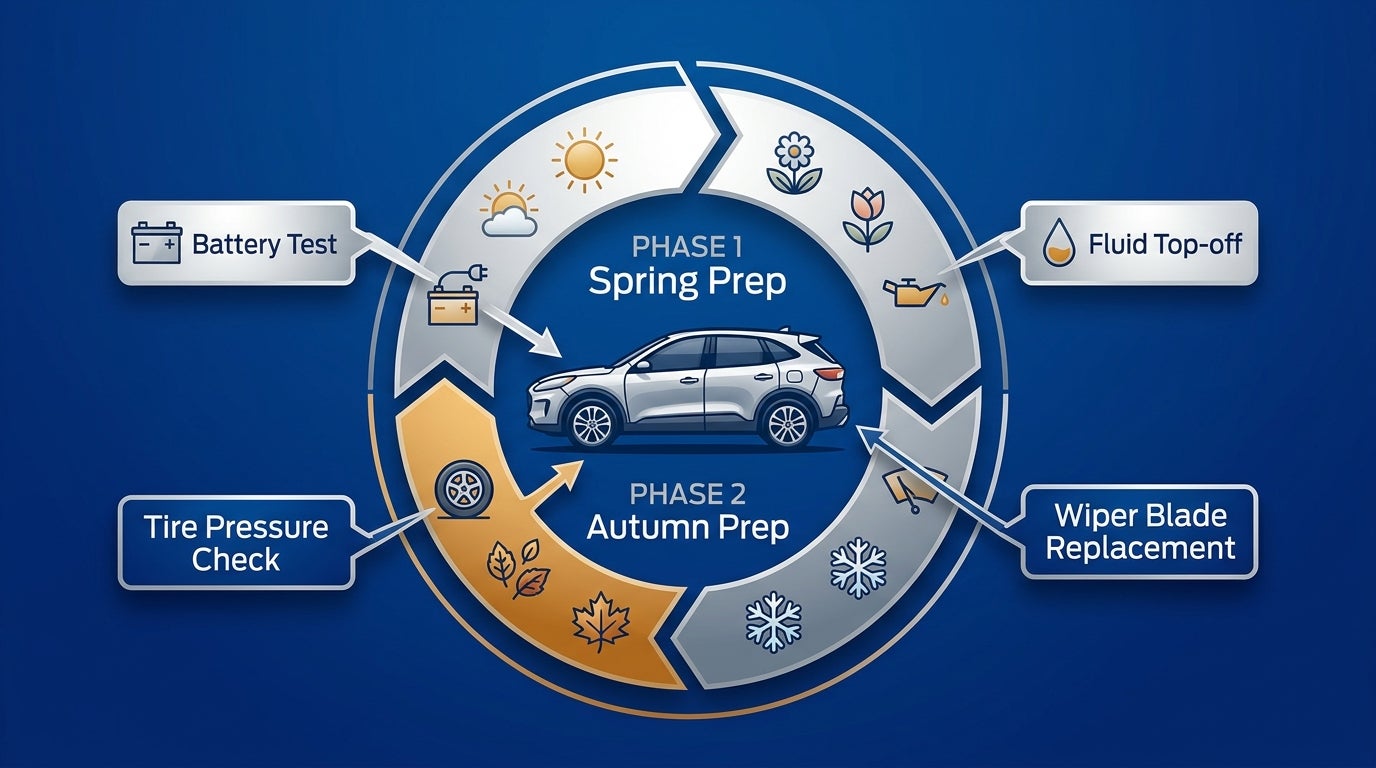
Ford owners should schedule seasonal maintenance twice a year or every 7,500 to 10,000 miles, ideally in spring and autumn before extreme weather arrives. This timing aligns with standard oil change intervals and allows technicians to address fluid degradation, battery stress, and tire pressure shifts before winter cold or summer heat strains your engine. Booking service twice annually prevents minor environmental wear from developing into costly mechanical repairs. Seasonal maintenance centers on protecting mechanical and electrical components against localized weather demands. Mid-Atlantic temperature swings alter tire pressure by roughly 1 PSI for every 10-degree change in ambient air, while humidity and road grime degrade rubber wiper blades and clog air filtration systems. Drivers navigating the tidal roads and coastal air around Milford benefit from timing these visits every six months, as atmospheric salt and high moisture accelerate undercarriage oxidation and breakdown of exposed rubber seals. Ford equips modern vehicles with the onboard Intelligent Oil-Life Monitor, which continuously tracks engine temperatures, total load, idling hours, and ambient conditions to signal when service is required. Operating under severe conditions—such as frequent towing, commercial hauling, or extended idling—breaks down oil viscosity faster and shortens your maintenance window to roughly 3,000 to 5,000 miles. Following these dynamic notifications helps preserve factory warranty coverage while maintaining long-term engine performance. To maintain continuous vehicle health, plan your appointment ahead of peak seasonal transitions in early spring and early autumn. Pre-booking service ensures you secure a convenient time slot before weather shifts create high shop demand. You can reach our advisors at (302) 734-0444 or drop by our Dover service center address at 591 S Dupont Hwy for personalized maintenance guidance. Table of Contents Why Is Summer Maintenance Essential and Which Motor Oil Does Ford Recommend? Does The Works Service Package Include Fluid Top-Offs and What Services Pair Best with It? What Is Included in a Comprehensive Ford Brake Inspection? What Seasonal Ford Checks Can You Perform at Home Before Visiting the Dealer? How Can Dover Ford Owners Schedule a Seasonal Service Appointment Online? Common Questions About Ford Seasonal Service Protect Your Ford with Expert Seasonal Care at Winner Ford Why Is Summer Maintenance Essential and Which Motor Oil Does Ford Recommend? Summer maintenance is vital because extreme heat accelerates battery fluid evaporation, thins engine oil, and increases cooling system pressure under heavy air conditioning loads. High ambient temperatures degrade protective oil additives faster than winter driving, making a fresh lubricant oil service critical before warm-weather road trips. For optimal seasonal protection, Ford recommends Motorcraft synthetic blend or full synthetic oil specifications, such as Motorcraft SAE 5W-20 or Motorcraft SAE 5W-30, which meet rigorous Ford engineering standards WSS-M2C960-A1 or WSS-M2C961-A1. Using factory-certified motor oil ensures proper viscosity across fluctuating engine temperatures. Modern engines rely on tight tolerances and precise hydraulic pressure for variable camshaft timing. Full synthetic formulations maintain stable film strength at elevated summer operating temperatures while providing rapid circulation during cold morning starts. When servicing models like a 2026 Ford Escape Active featuring the 1.5L engine or a 2026 Ford Explorer XLT equipped with the 2.3L EcoBoost, using the precise Motorcraft oil viscosity protects turbocharger bearings and internal seals against thermal breakdown. Heat also places severe demands on your vehicle’s electrical architecture and cooling loop. High under-hood temperatures accelerate internal battery plate corrosion, often causing an aging 12-volt battery to fail unexpectedly when running cabin cooling systems at high output. Summer service includes checking coolant hydrometer levels to maintain a proper 50/50 mixture of Motorcraft Yellow Antifreeze and distilled water, preventing boil-overs and scale buildup within the radiator block. When preparing your truck or SUV for warm-weather driving, you can easily schedule your seasonal service online to ensure your cooling system and engine oil meet factory specifications. If you prefer replacing engine or cabin air filters at home using original equipment, our specialized parts center supplies genuine Motorcraft components engineered specifically for your Ford vehicle. Does The Works Service Package Include Fluid Top-Offs and What Services Pair Best with It? Yes, The Works service package includes essential fluid top-offs as a core component of its multi-point inspection. Certified technicians inspect and replenish vital vehicle fluids, including windshield washer fluid, power steering fluid, engine coolant, and transmission fluid, to ensure proper operating levels. This comprehensive maintenance bundle also combines a synthetic blend oil change, oil filter replacement, tire rotation, pressure adjustment, and a detailed brake inspection into a single visit. Combining routine service procedures during The Works provides thorough preventative care while saving time in the service drive. Pairing an oil change with a tire rotation every 7,500 to 10,000 miles ensures even tread wear across all four positions, extending overall tire life and preserving all-wheel-drive performance on vehicles like the 2026 Ford F-150 XLT featuring the 3.5L EcoBoost engine. Rotating tires regularly helps maintain balanced traction and predictable handling during sudden rain showers. In addition to fluid management and tire rotations, seasonal maintenance offers the ideal opportunity to address secondary wear items that impact cabin comfort and engine efficiency: Cabin Air Filter Replacement: Swapping the cabin air filter every 15,000 to 20,000 miles clears accumulated pollen, dust, and debris, preserving HVAC blower motor longevity and airflow. Engine Air Filter Service: Replacing the engine air intake filter every 30,000 miles ensures clean air delivery to the combustion chambers, protecting fuel economy and throttle response. Battery Load Testing: Performing a digital conductance test measures cold-cranking capacity, identifying battery degradation before a no-start condition occurs. Wiper Blade Inspection: Replacing streaking or chattered wiper blades every six months guarantees clear forward visibility through heavy seasonal downpours. When drivers inquire about seasonal maintenance during a routine visit, our service team recommends completing these combined checks to establish a documented service history. Catching minor fluid loss or uneven tire wear early prevents unexpected downtime and keeps your vehicle running reliably throughout the year. What Is Included in a Comprehensive Ford Brake Inspection? A comprehensive Ford brake inspection evaluates the entire friction and hydraulic assembly, including brake pad thickness, rotor surface condition, caliper operation, slider pin movement, and hydraulic fluid moisture content. Technicians measure inner and outer friction material against minimum safety thresholds, inspecting rotors for heat cracking, scoring, or excessive thickness variation that causes pedal pulsation. Inspecting hydraulic lines and brake fluid condition is equally essential for stopping performance. Hydraulic brake fluid is hygroscopic, meaning it naturally absorbs ambient moisture over time. Accumulated moisture lowers the fluid's boiling point, which can create pedal sponginess and internal corrosion within caliper pistons and anti-lock braking system valves. Ford recommends flushing and replacing hydraulic brake fluid every three years regardless of mileage to preserve crisp pedal feel and rapid ABS response. Regular brake checks are especially important for high-capacity SUVs and trucks that manage heavy passenger loads or frequent trailering. Components on a 2026 Ford F-150 XLT rated for up to 10,400 lbs of towing capacity experience significant thermal stress during braking cycles. Catching worn friction pads or sticking slider pins early protects expensive brake rotors from damage, ensuring your stopping system performs reliably under heavy load conditions. What Seasonal Ford Checks Can You Perform at Home Before Visiting the Dealer? Vehicle owners can perform several straightforward maintenance checks at home between scheduled service appointments using basic tools. Performing visual inspections once a month helps identify developing maintenance needs early, ensuring your vehicle remains safe and efficient between professional service visits. Key DIY seasonal maintenance checks include: Cold Tire Pressure Inspection: Use a reliable digital tire gauge to check inflation levels when tires have been parked for at least three hours. Compare readings against the recommended PSI printed on the driver-side doorjamb placard, rather than the maximum pressure listed on the tire sidewall. Tread Depth Verification: Inspect tire tread depth across the entire width of each tire using a tread depth gauge or the penny test. Tread depth measuring at or below 2/32 of an inch indicates immediate replacement is necessary to prevent hydroplaning on wet surfaces. Fluid Level Monitoring: Park on a level surface, pop the hood, and visually check transparent reservoir levels for engine coolant, windshield washer fluid, and power steering fluid. Top off low washer fluid using seasonal formulas designed to clear bugs in summer or resist freezing in winter. Wiper Blade & Light Checks: Inspect rubber wiper edges for tearing or splitting, replacing blades that leave streaks. Have a family member stand behind the vehicle while you verify that headlights, high beams, brake lights, and turn signals function correctly. While visual inspections are easy to manage at home, complex procedures belong in a professional service bay. Hydraulic fluid flushes, air conditioning pressure diagnostics, and 12-volt battery replacements on modern Ford models require resetting the onboard Battery Management System using factory diagnostic tools to ensure correct charging behavior. How Can Dover Ford Owners Schedule a Seasonal Service Appointment Online? Ford owners can schedule a seasonal service appointment online in minutes through our dealer portal or the Ford App by selecting their specific year, model, mileage interval, and required service procedures. The digital scheduling platform allows you to choose your preferred advisor, select available calendar dates, and pick appointment times that fit your daily schedule without making a phone call. Suburban commuters traveling along Route 1 from Smyrna appreciate the convenience of managing maintenance digitally, reserving drop-off windows that align with work travel. Online scheduling provides clear service visibility, allowing you to select The Works package, request a comprehensive multi-point inspection, or note specific performance observations directly within your booking profile. If you encounter unexpected roadside issues like a flat tire or battery failure while traveling, Ford Roadside Assistance provides manufacturer-backed emergency support. Assistance can be requested through the Ford App or by calling Ford Roadside Assistance: 1-800-241-3673 for towing to authorized service centers, battery jump-starts, and fuel delivery backed by factory warranty coverage. For personalized assistance or specific vehicle diagnostic inquiries, our service team remains available to guide your maintenance planning. You can call our team directly at (302) 734-0444 or view directions to our Dover service center to visit our facility at 591 S Dupont Hwy for in-person support. Common Questions About Ford Seasonal Service Q: What causes tire pressure warnings to illuminate when weather turns cold? A: Ambient temperature drops cause air molecules inside your tires to contract, reducing internal inflation pressure by approximately 1 PSI for every 10-degree drop in outdoor air. This natural drop triggers the tire pressure monitoring system indicator on chilly mornings, requiring drivers to inflate tires back to the doorjamb placard specification. Q: How often does Ford recommend replacing cabin and engine air filters? A: Ford recommends replacing the cabin air filter every 15,000 to 20,000 miles and the engine air intake filter every 30,000 miles under normal driving conditions. Driving in high-pollen areas, dusty unpaved roads, or heavy traffic environments may require annual replacement to maintain optimal airflow and interior air quality. Q: Why is a battery load test recommended before seasonal heat or cold waves? A: Temperature extremes place heavy electrical demands on 12-volt vehicle batteries while accelerating internal degradation. A digital load test measures cold-cranking capacity and internal resistance, identifying plate sulfation or electrolyte loss early so you can replace an aging battery before experiencing a sudden no-start event. Q: How long can you drive when the Intelligent Oil-Life Monitor displays a service prompt? A: When the Intelligent Oil-Life Monitor displays an oil service message, you should schedule maintenance within 500 miles or two weeks. Continuing to drive past the service notification risks thermal breakdown of oil additives, increasing friction wear on internal engine components and turbocharger bearings. Q: What should you do if your engine coolant reservoir level is below the fill line? A: If the coolant level drops below the minimum fill line on a cold engine, top it off using a 50/50 prediluted mixture of Motorcraft Yellow Antifreeze and distilled water. Avoid using plain tap water, as mineral deposits create internal radiator scale and reduce overall cooling efficiency. Protect Your Ford with Expert Seasonal Care at Winner Ford Maintaining a regular seasonal maintenance schedule protects your powertrain investment, preserves daily fuel efficiency, and keeps your vehicle performing safely through changing weather. Following factory service guidelines prevents unexpected component wear, ensuring your truck or SUV remains reliable mile after mile. Our certified technicians at Winner Ford provide expert care tailored specifically to your vehicle. Utilizing factory diagnostic tools and genuine Motorcraft parts, our team delivers complete maintenance procedures engineered to original specification standards. When you are ready to prepare your vehicle for upcoming seasonal travel, rely on our team for convenient service scheduling and trusted technical advice. Visit our Dover location at 591 S Dupont Hwy or book your next maintenance appointment online to keep your Ford running at its absolute best. © 2026 Winner Ford. All rights reserved. Vehicle specification data © JATO Dynamics Limited.
How Does the 2026 Ford Bronco Compare to Rival Midsize SUVs?
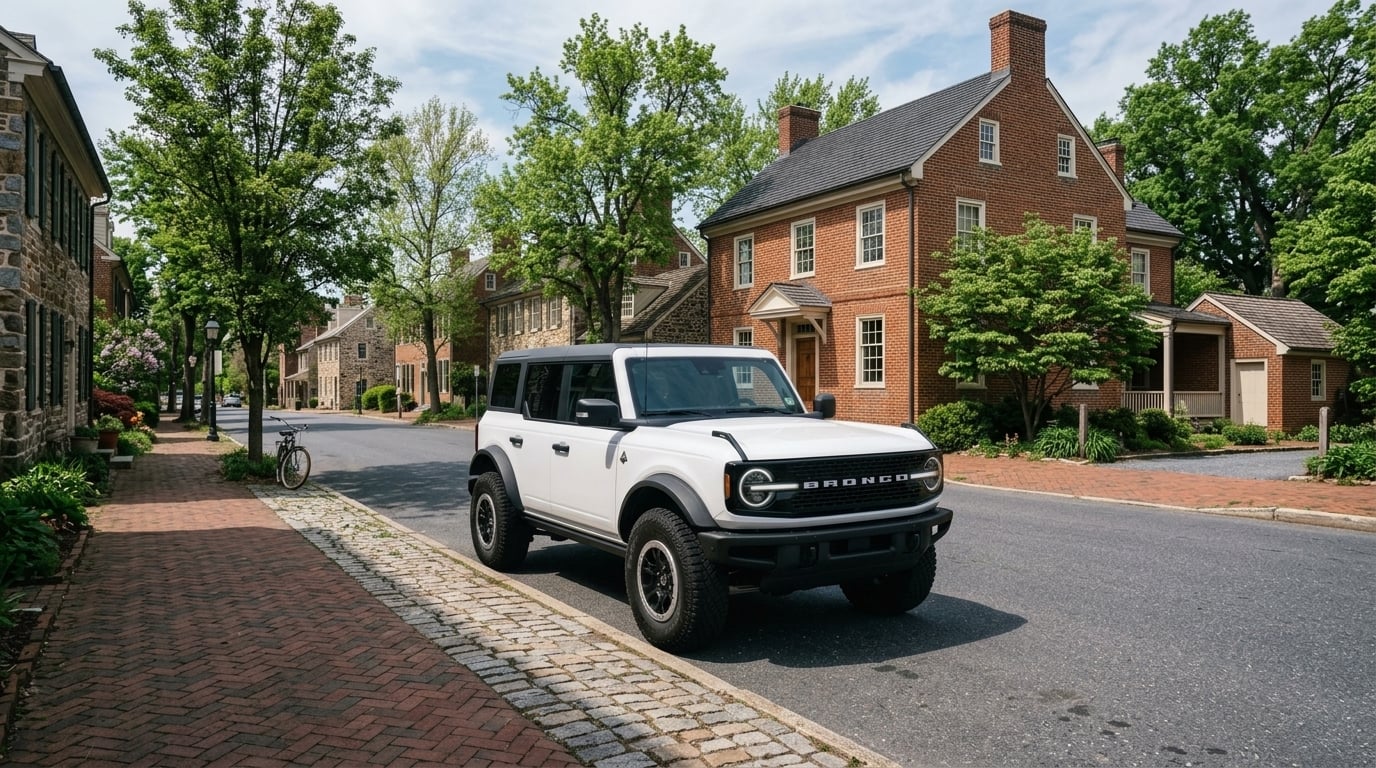
The 2026 Ford Bronco delivers a strong combination of off-road capability, everyday highway drivability, and configurable open-air freedom compared to rival midsize SUVs like the Jeep Wrangler and Toyota 4Runner. Featuring standard 4x4, an independent front suspension, an available 7-speed manual transmission, and EcoBoost turbocharged engines generating up to 330 horsepower, the Bronco can offer advantages in high-speed handling and steering feedback while maintaining trail toughness. When outdoor enthusiasts cross-shop midsize off-roaders on our showroom floor, they quickly discover that Ford engineered the Bronco to eliminate traditional trade-offs. Older body-on-frame designs often force drivers to endure severe wind wander and vague steering on the highway just to enjoy trail capability. The Bronco solves this through a modern chassis design equipped with an independent front suspension that tracks straight on high-speed roads, combined with electronic locking differentials and terrain management systems for technical crawling. Compared directly to the Jeep Wrangler, the Bronco offers a significantly smoother highway ride and a wider interior cabin. While the Wrangler retains live front and rear axles that require constant steering corrections during long highway stretches, the Bronco maintains precise directional stability. Compared to crossover-based adventure SUVs like the Honda Passport or Subaru Outback, the Bronco features true truck-based durability, a low-range transfer case, removable doors, and removable roof panels. Our team at Winner Ford welcomes local drivers to experience this versatile SUV in person. If you are planning a trip to test-drive various trims, our showroom location in Dover is convenient to reach, or you can give our team a quick call to check vehicle availability before heading over. Table of Contents How Do the 2026 Ford Bronco Engines, Horsepower, and Manual Transmission Compare to the Redesigned 4Runner? What Is the Towing Capacity and Real-World Fuel Economy of the 2026 Bronco? How Does the Sasquatch Package Affect Ground Clearance and Off-Road Performance? Does the 2026 Ford Bronco Have Adaptive Cruise Control and Standard Wireless Tech? What Is the Starting Price of the 2026 Ford Bronco Across Different Trims? Common Questions About the 2026 Ford Bronco Comparison How Do the 2026 Ford Bronco Engines, Horsepower, and Manual Transmission Compare to the Redesigned 4Runner? The 2026 Ford Bronco provides higher standard horsepower and a manual gearbox option that the Toyota 4Runner does not match in its base powertrain configuration. The standard Bronco powertrain is a 2.3-liter EcoBoost inline-four outputting 300 horsepower and 325 lb-ft of torque on premium fuel, surpassing the standard 278-horsepower output of the redesigned 4Runner's base turbocharged engine. Ford offers two primary EcoBoost engine choices for standard Bronco models, alongside an ultra-high-performance engine for the Raptor: 2.3-liter EcoBoost I-4: Generates 300 horsepower and 325 lb-ft of torque on premium gas, paired with either a 7-speed manual or a 10-speed automatic. 2.7-liter EcoBoost V6: Produces 330 horsepower and 415 lb-ft of torque, paired exclusively with a 10-speed automatic. 3.0-liter EcoBoost V6: Exclusive to the Bronco Raptor, pushing performance to 418 horsepower for high-speed desert running. A standout advantage for driving purists is Ford’s 7-speed manual transmission, available on the 2.3-liter EcoBoost engine. This gearbox features six standard driving gears plus a dedicated crawler gear ("granny gear") that delivers an exceptional crawl ratio for low-speed rock crawling. Toyota does not offer a manual transmission in the redesigned 4Runner lineup, making the Bronco one of the last true off-road SUVs to offer three-pedal control. For drivers who prefer dual-clutch smooth automatic shifting, Ford's calibrated 10-speed automatic keeps both EcoBoost engines within their optimal powerbands whether accelerating onto highway ramps or navigating steep inclines. You can explore our broad selection of new Ford Bronco models to find your preferred powertrain setup. What Is the Towing Capacity and Real-World Fuel Economy of the 2026 Bronco? The 2026 Ford Bronco delivers a maximum towing capacity of 3,500 pounds on standard two-door and four-door trims, while the specialized Bronco Raptor increases maximum towing performance to 4,500 pounds. EPA fuel economy estimates range from 20 mpg city / 21 mpg highway on standard trims down to 15 mpg city / 16 mpg highway on extreme off-road configurations. A 3,500-pound towing threshold enables the Bronco to easily haul small travel trailers, utility trailers, jet skis, or single-axle boat trailers. In comparison, midsize truck-based rivals like the Toyota 4Runner offer higher maximum towing ratings on paper, but the Bronco matches the Jeep Wrangler's standard 3,500-pound limit while providing enhanced trailer sway control integrated into its electronic stability system. Fuel efficiency varies based on engine selection, tire size, and final drive axle ratios: 2.3-liter EcoBoost Automatic: Achieves up to 20 mpg city / 21 mpg highway on standard all-season tires. 2.3-liter EcoBoost Manual: Rates at approximately 18 mpg city / 21 mpg highway. 2.7-liter EcoBoost V6: Delivers roughly 19 mpg city / 21 mpg highway in standard trim setups. Sasquatch Package Models: Large 35-inch tires and aggressive 4.70 axle ratios drop overall fuel economy to around 17 mpg combined. For buyers evaluating overall value across model years, checking our inventory of pre-owned vehicles offers a great way to compare feature content and long-term ownership potential. How Does the Sasquatch Package Affect Ground Clearance and Off-Road Performance? Equipping the Sasquatch Package increases the 2026 Ford Bronco's ground clearance to 11.5 inches, up from the standard suspension height of 8.4 inches. This factory package transforms the SUV into a boulder-crawling machine by adding 35-inch Goodyear Territory tires, position-sensitive Bilstein dampers, electronic-locking front and rear axles, and high-clearance fender flares. The ground clearance jump of over three inches dramatically improves the vehicle's off-road approach, breakover, and departure angles. Standard factory suspension provides solid entry capability, but the Sasquatch Package elevates trail readiness through specialized hardware: 11.5-inch Ground Clearance: Prevents underbody scraping over tall obstacles and deep rutted tracks. 35-inch Mud-Terrain Tires: Mounted on 17-inch beadlock-capable wheels for maximum mechanical traction in loose sand or deep mud. Front and Rear Locking Differentials: Electronically force left and right wheels on each axle to rotate at equal speeds, keeping momentum when one wheel loses contact with the ground. High-Clearance Suspension: Position-sensitive dampers provide plush dampening during small road chatter and firm resistance against bottoming out during heavy compression. For active buyers who enjoy weekend watercraft launches and beach driving near coastal spots like Milford, the extra clearance and wide contact patch keep the vehicle floating smoothly over soft sand without digging in. To keep your specialized suspension and 4x4 transfer case operating in top condition after heavy trail use, you can easily book a routine service inspection online with our factory-trained technicians. Does the 2026 Ford Bronco Have Adaptive Cruise Control and Standard Wireless Tech? Yes, the 2026 Ford Bronco offers adaptive cruise control with stop-and-go functionality as part of the available High/Lux Package on most trims, and includes it as standard equipment on the Bronco Raptor. Every 2026 Bronco comes standard with a high-definition 12-inch touchscreen featuring the SYNC 4 infotainment system, wireless Apple CarPlay, and wireless Android Auto. The inclusion of adaptive cruise control makes the Bronco significantly more comfortable during long highway drives. The system utilizes forward-facing radar and camera sensors to automatically maintain a preset distance from the vehicle ahead, braking down to a complete stop in heavy traffic and accelerating back up to highway speeds when the lane clears. Standard technology features built into every 2026 Bronco cabin include: 12-inch SYNC 4 Touchscreen: Features split-screen capability, cloud-connected navigation, and integrated off-road trail maps. Wireless Smartphone Integration: Enables seamless access to navigation, streaming media, and hands-free communications via wireless Apple CarPlay and wireless Android Auto. Digital Instrument Display: Provides customizable gauges, off-road pitch-and-roll inclinometers, and system warnings. Ford Co-Pilot360: Standard safety features including pre-collision assist with automatic emergency braking, auto high-beam headlights, and a backup camera. Suburban commuters navigating daily traffic around Smyrna will find that combining adaptive cruise control with Ford's responsive lane-keeping features dramatically reduces driver fatigue on crowded multi-lane corridors. If you are contemplating upgrading your current commute, you can estimate your current trade-in value online to see how your current vehicle applies toward a tech-packed new Bronco trim. What Is the Starting Price of the 2026 Ford Bronco Across Different Trims? The 2026 Ford Bronco has a starting MSRP beginning around $41,990 for the entry-level Base and Big Bend trims, scaling up past $71,990 for specialized trims and reaching over $81,990 for the flagship Bronco Raptor. This structured pricing scale lets shoppers select the exact balance of daily comfort, appearance packages, and off-road mechanicals they require. Here is how the main trims in the 2026 Bronco lineup structure their starting prices and target audiences: Big Bend (Starting ~$42,840): A starting point for daily commuters and outdoor families, featuring standard 32-inch tires, terrain management with G.O.A.T. modes, and the 12-inch SYNC 4 display. Outer Banks (Starting ~$49,935): Focuses on refined daily driving with body-color fender flares, powder-coated tube steps, leather-trimmed seats, and heated front seating. Black Diamond (Starting ~$47,485 package): Adds heavy-duty steel bumpers, rock rails, underbody bash plates, and rubberized wash-out flooring. Badlands (Starting ~$51,580): Engineered for extreme trail crawling with a front stabilizer bar disconnect, heavy-duty HOSS 2.0 suspension, and dual locking differentials. Heritage & Stroppe Special Editions (Starting ~$53,470 - $77,630): Combine vintage 1960s and 1970s livery styling with modern performance upgrades like the HOSS 3.0 suspension. Bronco Raptor (Starting ~$71,990 - $81,990): A high-speed off-road SUV with a 418-horsepower 3.0-liter EcoBoost V6, 37-inch tires, and Fox live-valve dampers. To streamline your purchase experience and explore customizable terms that fit your budget, you can easily submit a secure credit application online before visiting our dealership. Common Questions About the 2026 Ford Bronco Comparison Q: Is adaptive cruise control available on lower 2026 Bronco trims like the Big Bend? Many Bronco buyers are surprised to learn that adaptive cruise control is accessible even on lower trims such as the Big Bend, provided they select the right equipment packages. While simple lane-keeping assistance and forward collision mitigation come standard through Ford Co-Pilot360, full stop-and-go adaptive cruise control requires selecting an option package that includes the necessary radar sensor hardware. Q: Can I get the 7-speed manual transmission with the Sasquatch Package? Yes, Ford allows drivers to pair the 7-speed manual transmission with the Sasquatch Package, provided you choose the standard 2.3-liter EcoBoost four-cylinder engine. This pairing combines 35-inch tires, high-clearance suspension, and front/rear locking differentials with an ultra-low 94.75:1 crawl ratio delivered by the manual's dedicated crawler gear. Q: What maintenance is required after severe off-road driving in coastal sand or mud? After heavy off-road use in coastal sand or deep mud, you should thoroughly wash the underbody to clear debris from brake components, suspension joints, and skid plates. Ford recommends inspecting differential fluid levels if the axles were submerged in water above the hub level, and replacing the engine air filter more frequently if driving in dusty beach environments. You can easily order genuine replacement filters through our dealer parts department. Q: Does the 2026 Ford Bronco require premium gasoline to reach its advertised horsepower? The 2026 Ford Bronco runs safely on 87-octane regular unleaded gasoline, but requires 93-octane premium fuel to achieve its peak advertised power ratings. For example, the 2.3-liter EcoBoost generates 300 horsepower and 325 lb-ft of torque on premium, but produces 275 horsepower and 315 lb-ft on regular gas. Q: How long does a pre-qualification or online credit application take for a new Bronco? Completing an online credit pre-qualification through our secure digital tool typically takes less than ten minutes. Once submitted, our finance specialists review your information with trusted lenders to present flexible payment options before you step foot in our showroom. Our team at Winner Ford is ready to help you compare trims, test-drive your preferred powertrain, and find the perfect SUV for your lifestyle. Feel free to give our team a quick phone call or get direct route guidance to our Dover showroom to get started today. © 2026 Winner Ford. All rights reserved.